- Overview
- What Is High Blood Pressure?
- Why Hypertension Is Often Missed
- When Should You Get Your Blood Pressure Checked?
- Can High Blood Pressure Cause Symptoms?
- How Doctors Evaluate Hypertension
- Correct Blood-Pressure Monitoring Matters
- When High Blood Pressure Needs Urgent Care
- Daily Habits That Support Blood-Pressure Control
- Hypertension Care at Himalaya Hospital, Patna
- Book a Physician Consultation in Patna
High Blood Pressure in Patna – Why Hypertension Should Not Be Ignored | Himalaya Hospital
High blood pressure, also called hypertension, can remain unnoticed for a long time because many people do not feel obviously unwell. Even without clear symptoms, persistently raised blood pressure can place extra strain on important organs. Himalaya Hospital, Patna lists hypertension among the conditions managed by its Department of Medicine and provides physician, cardiac, diagnostic, emergency and critical-care support within its multi-specialty setup.
What Is High Blood Pressure?
Blood pressure is the force of circulating blood against the walls of the arteries. A single high reading does not always establish a diagnosis because blood pressure can change with activity, stress, pain, medicines and other factors. Doctors generally interpret repeated readings together with the patient’s medical history and overall cardiovascular risk.
If readings remain high, a qualified doctor can decide whether lifestyle measures, further testing, medicines or a combination of approaches is appropriate.
Why Hypertension Is Often Missed
One of the challenges with hypertension is that it may not produce reliable warning symptoms. Some people discover it during a routine check-up or while being evaluated for another problem. This is why regular blood-pressure measurement is useful, particularly for adults with diabetes, excess weight, kidney disease, heart disease or a family history of hypertension.
When Should You Get Your Blood Pressure Checked?
Blood-pressure assessment is especially important when:
- Previous readings have repeatedly been above the range advised by your doctor
- You already take blood-pressure medicine and readings remain uncontrolled
- You have diabetes, kidney disease, heart disease or other cardiovascular risk factors
- You have a strong family history of hypertension or premature heart disease
- You have stopped or changed prescribed medicines
- A doctor has advised regular monitoring after a previous abnormal reading
Can High Blood Pressure Cause Symptoms?
Hypertension should not be judged only by symptoms. Headache, dizziness, tiredness or palpitations can occur for many reasons and are not reliable ways to tell whether blood pressure is high. Likewise, feeling normal does not guarantee that the reading is normal.
The practical way to know your blood pressure is to measure it correctly and discuss persistent abnormalities with a healthcare professional.
How Doctors Evaluate Hypertension
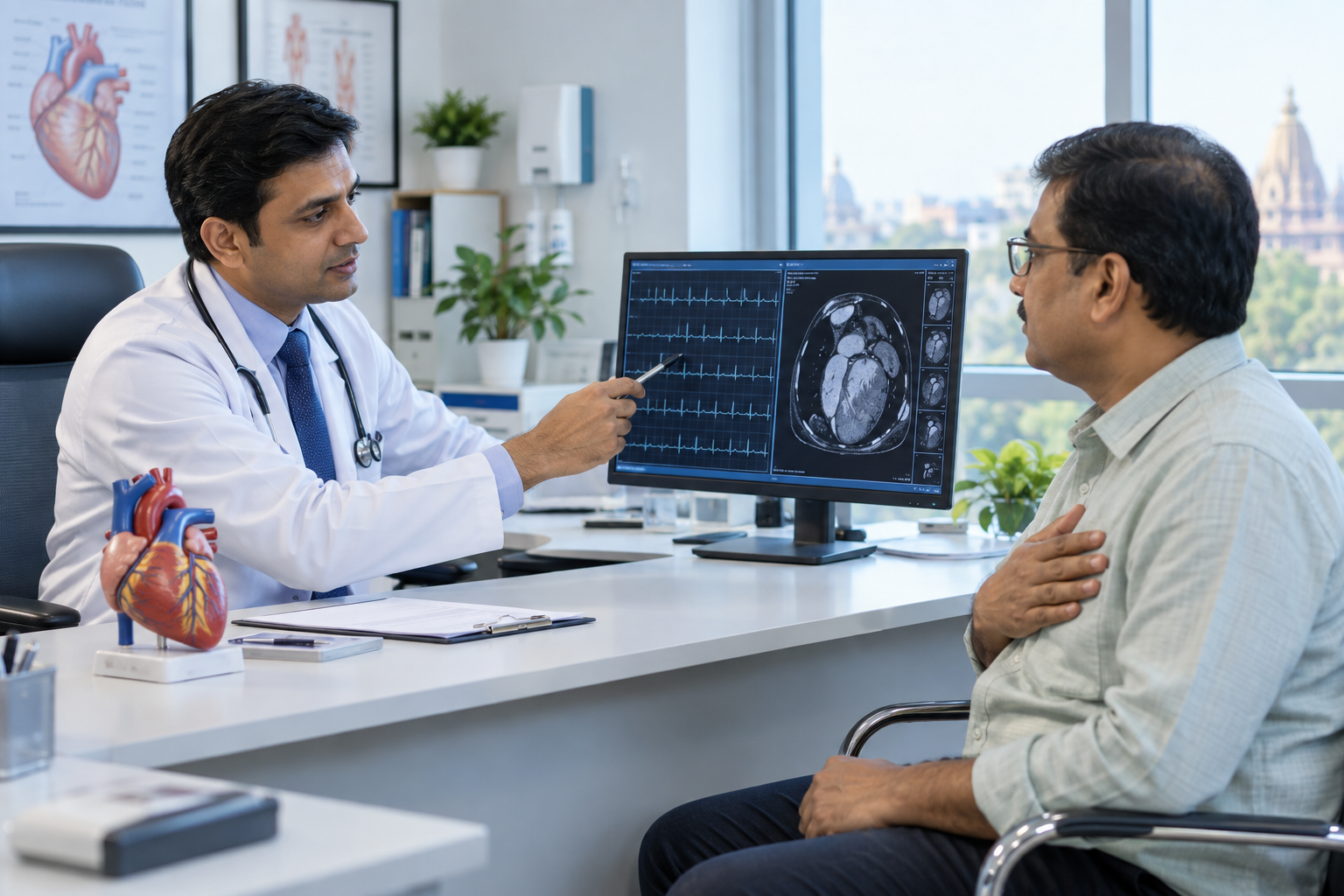
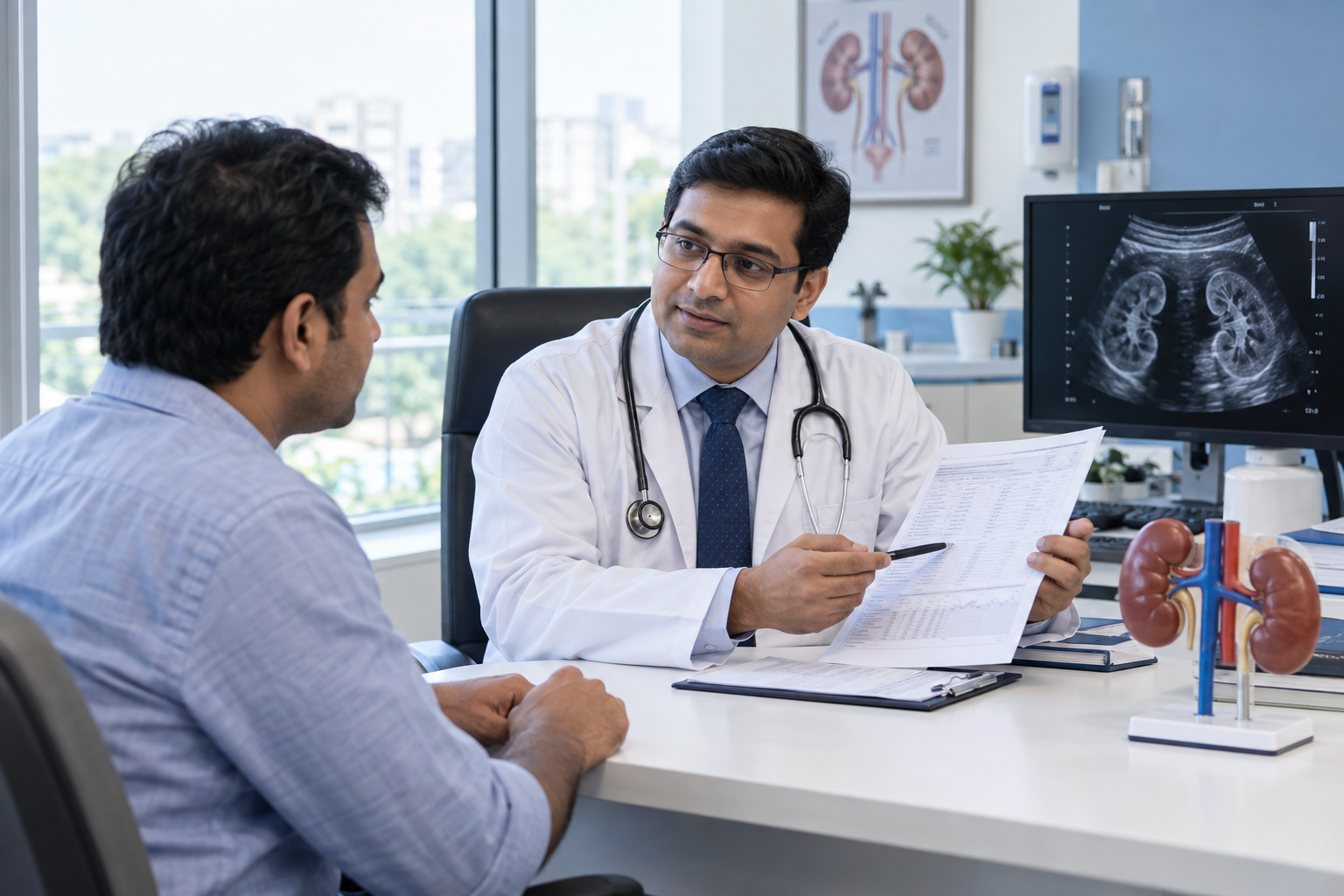
A medical assessment may include repeated blood-pressure readings, a review of medicines and lifestyle factors, physical examination and evaluation for related health conditions. Depending on the individual, the doctor may advise blood or urine tests, ECG or other investigations.
The purpose is not simply to lower a number. Doctors also consider whether hypertension is affecting the heart, kidneys or other organs and whether conditions such as diabetes or abnormal cholesterol need simultaneous management.
Correct Blood-Pressure Monitoring Matters
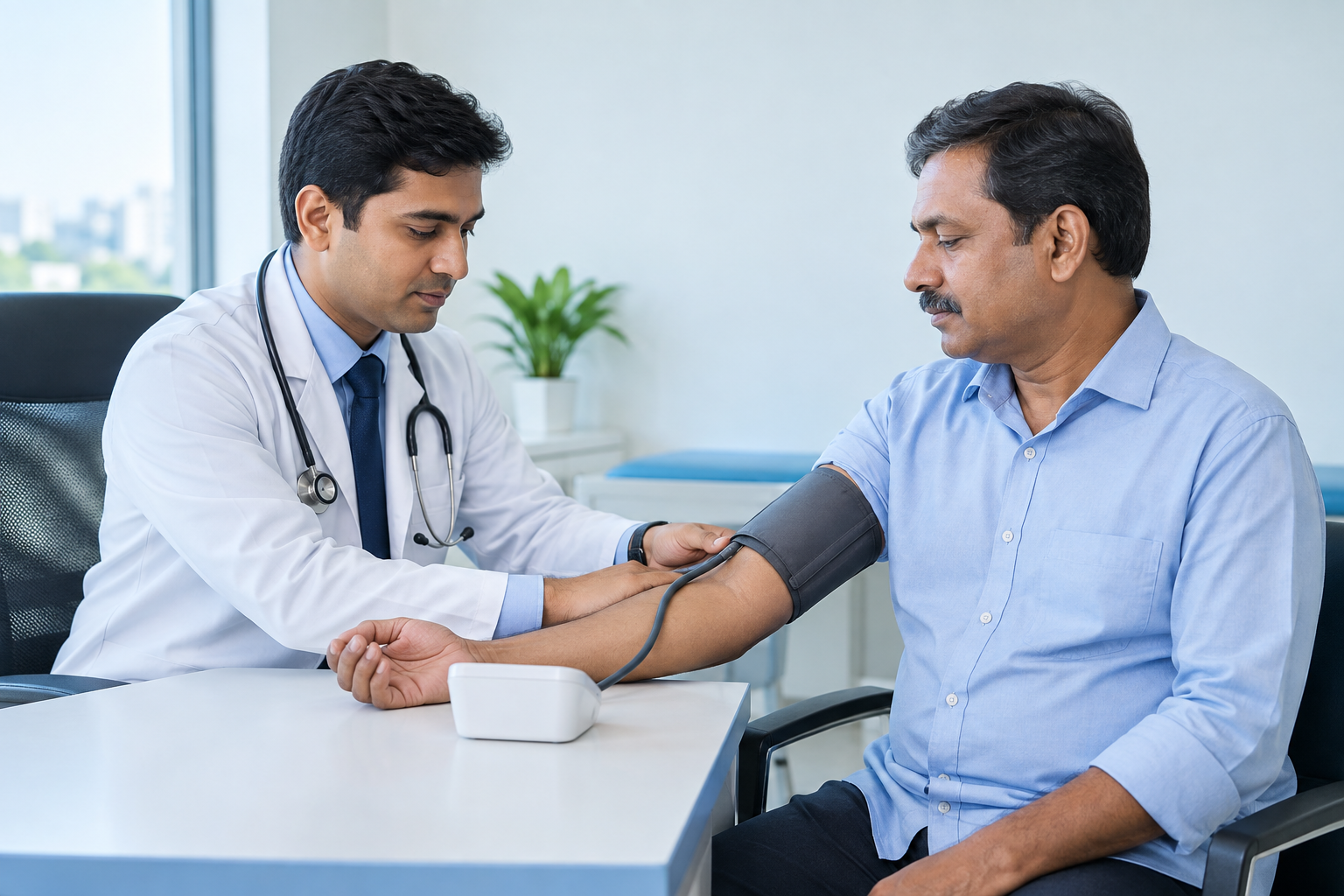
Home monitoring can be useful when recommended by a doctor, but technique matters. Sit quietly before measurement, use an appropriately sized cuff, keep the arm supported, and follow the device instructions. Keep a record of readings rather than reacting to one isolated measurement.
Do not change the dose or timing of prescribed blood-pressure medicines based only on a single home reading unless your treating doctor has given you a specific plan.
When High Blood Pressure Needs Urgent Care
A very high reading together with severe chest pain, major breathing difficulty, confusion, fainting, new weakness or numbness, difficulty speaking, severe neurological symptoms or another rapidly worsening condition requires urgent medical assessment. In an emergency, symptoms and overall clinical condition are as important as the blood-pressure number.
Himalaya Hospital provides 24×7 emergency services with ICU/HDU support for patients requiring urgent monitoring and treatment.
Daily Habits That Support Blood-Pressure Control
Lifestyle advice should be individualized, but general measures that may support blood-pressure management include:
- Take prescribed medicines regularly and attend follow-up visits
- Reduce excessive salt and highly processed foods
- Maintain physical activity appropriate for your health
- Work toward a healthy body weight when advised
- Avoid tobacco and smoking
- Limit alcohol according to medical advice
- Manage diabetes and cholesterol alongside blood pressure
- Keep a record of home readings if your doctor recommends monitoring
Hypertension Care at Himalaya Hospital, Patna
Himalaya Hospital’s Department of Medicine specifically lists hypertension among the conditions it manages. The hospital’s current doctor schedule also includes consultant physician/cardio-diabetology and cardiology services. Its 105-bed multi-specialty infrastructure covers more than 25 medical and surgical disciplines and includes diagnostics, ICU/HDU and 24×7 emergency support.
This coordinated setup can be useful because long-term blood-pressure care often overlaps with diabetes, heart and kidney health.
Book a Physician Consultation in Patna
If your blood pressure remains high, medicines are not controlling it, or you have related conditions such as diabetes or heart disease, consult a qualified doctor for an individualized assessment. Himalaya Hospital, Patna provides medicine, cardiac, diagnostic and emergency support for patients requiring evaluation and follow-up.
Call Himalaya Hospital for appointment support: 9031040321, 9031040322, 9031040323, 9031040324
Address: 70 Feet, IOC Main Rd, Mahavir Nagar, Sipara, Patna, Bihar 800002
This article is for general information only and does not replace medical advice, diagnosis or treatment from a qualified healthcare professional.