Stroke Symptoms: Face Drooping, Weak Hand or Slurred Speech - When to Reach a Brain Hospital in Patna
Face drooping, weak hand, sudden arm weakness or slurred speech can be warning signs of stroke. If these symptoms start suddenly, do not wait at home to see if it becomes normal. Stroke is a medical emergency. The safer step is to call emergency help and reach a brain hospital in Patna where the patient can be checked quickly.
This guide is for families in Patna, Sipara, Mithapur, Mahavir Nagar, New Bypass and nearby areas who want to understand what to do when stroke-like symptoms appear. Patients searching for Top Neurology Hospitals in Sipara Patna or a brain specialist in Patna should still treat sudden stroke symptoms as an emergency first, not a routine OPD visit. It is not a diagnosis. Only a doctor can confirm whether symptoms are due to stroke, TIA, seizure, low sugar, migraine or another condition.
The purpose of this article is simple: help families recognize the warning pattern, avoid dangerous delays and reach emergency care fast.
Quick Overview: Which Section Should You Read First?
- What should you do first if stroke symptoms appear?
- What are the FAST and BE-FAST stroke symptoms?
- Why is stroke an emergency?
- What does the latest 2026 stroke guidance mean for families?
- When should you reach a brain hospital in Patna?
- What should family members do in the first 10 minutes?
- Which mistakes delay correct stroke treatment?
- What tests may happen after reaching the hospital?
- What is a mini-stroke or TIA?
- How does a brain hospital help after stroke symptoms?
- Where can patients in Patna seek help?
- FAQs
1. What Should You Do First If Stroke Symptoms Appear?
If a person suddenly develops face drooping, weak hand, arm weakness or speech difficulty, treat it as urgent. Note the exact time when the symptoms started. This time is important because some stroke treatments depend on how quickly the patient reaches medical care.
Call emergency medical help such as 108 or 112 in India, or contact a nearby hospital emergency service. Do not move from clinic to clinic while guessing the cause. A suspected stroke patient needs quick assessment, brain imaging and emergency decision-making.
While waiting for help, keep the patient safe. Make them sit or lie on one side if they are vomiting or drowsy. Do not give food, water, alcohol, sleeping tablets, painkillers or aspirin unless a doctor advises it. Some strokes happen because of bleeding in the brain, and the wrong medicine can increase risk.
2. What Are the FAST and BE-FAST Stroke Symptoms?
The easiest way to remember common stroke symptoms is FAST. It is used worldwide because it turns a confusing emergency into a simple check.
- Face: One side of the face may droop. The smile may look uneven.
- Arm: One arm or hand may become weak, numb or drift downward.
- Speech: Speech may become slurred, confused or difficult to understand.
- Time: Time matters. Call emergency help immediately.
Many stroke awareness campaigns also use BE-FAST. This adds balance and eye symptoms. Sudden dizziness, loss of balance, trouble walking, blurred vision, double vision or loss of vision can also be warning signs.
A person may not have every symptom. Even one sudden symptom can be important, especially if it affects one side of the body.
3. Why Is Stroke an Emergency?
A stroke happens when blood flow to part of the brain is blocked or when there is bleeding in the brain. Brain cells can be damaged quickly when they do not get enough oxygen. This is why doctors often say, time is brain.
Delay can increase the risk of paralysis, speech problems, swallowing difficulty, memory issues, long hospital stay or disability. Early action improves the chance that doctors can identify the type of stroke and start the right treatment plan.
Family members should not try to decide at home whether it is a stroke, mini-stroke, nerve weakness or tiredness. The correct first step is emergency evaluation.
4. What Does the Latest 2026 Stroke Guidance Mean for Families?
The 2026 American Heart Association and American Stroke Association acute ischemic stroke guideline updates continue to emphasize organized emergency response, refined EMS triage, early brain imaging and treatment decisions based on timing and eligibility. For families, the message is practical: reach emergency care as early as possible.
The guideline discusses hospital-level treatments such as thrombolytic medicines and endovascular thrombectomy for selected patients. These are not home decisions. Eligibility depends on the type of stroke, scan findings, time since symptoms began, medical history and doctor assessment.
The latest global stroke reports also show that stroke remains a major cause of death and disability. High blood pressure, diabetes, smoking, high LDL cholesterol, high blood sugar, obesity, physical inactivity, unhealthy diet, kidney dysfunction, air pollution and harmful alcohol use are important risk factors. This makes both emergency action and long-term prevention important.
5. When Should You Reach a Brain Hospital in Patna?
Reach a brain hospital in Patna urgently if any of these symptoms start suddenly:
- One side of the face droops.
- One hand, arm or leg becomes weak.
- Speech becomes slurred or unclear.
- The person cannot understand simple words.
- Sudden loss of balance or walking difficulty occurs.
- Sudden vision loss or double vision happens.
- A severe headache starts without a clear reason.
- Confusion, drowsiness or seizure occurs with weakness.
- Symptoms improve but happened within the last few hours.
Do not ignore symptoms just because they lasted only a few minutes. A temporary episode can be a TIA, often called a mini-stroke. It may be a warning sign that a bigger stroke can happen later.
6. What Should Family Members Do in the First 10 Minutes?
The first 10 minutes should be used for action, not panic. Ask the person to smile, raise both arms and repeat a simple sentence. If the face is uneven, one arm drops or speech is unclear, act immediately.
Write down the exact time symptoms started. If the patient woke up with symptoms, note when they were last seen normal. This detail can affect treatment decisions later.
Arrange emergency transport. Call 108, 112 or the nearest hospital emergency number. If you are near Sipara, Mithapur, Mahavir Nagar or New Bypass, choose the fastest safe route to a hospital with emergency and brain-care support.
Collect essentials quickly. Carry previous prescriptions, diabetes or BP medicine list, blood thinner details, old CT/MRI reports and known allergy information. Do not waste time searching online for home remedies.
7. Which Mistakes Delay Correct Stroke Treatment?
The biggest mistake is waiting because the patient says they are feeling better. Stroke symptoms can fluctuate. A mini-stroke can also settle, but it still needs urgent medical evaluation.
Another mistake is giving aspirin immediately. Many people think aspirin helps every stroke. This is unsafe without medical advice because some strokes are caused by bleeding.
Do not give food or water if speech is unclear, the face is drooping or the patient is drowsy. Stroke can affect swallowing and increase choking risk.
Do not massage the weak hand or leg as the main response. Do not delay because the patient is young. Stroke can happen in younger adults too, especially when there are risk factors such as high BP, diabetes, smoking, heart rhythm problems, obesity or family history.
8. What Tests May Happen After Reaching the Hospital?
At the hospital, the emergency team first checks airway, breathing, blood pressure, sugar level, oxygen level and neurological status. The doctor asks when symptoms started, whether weakness is one-sided, whether speech changed and whether the patient takes blood thinners.
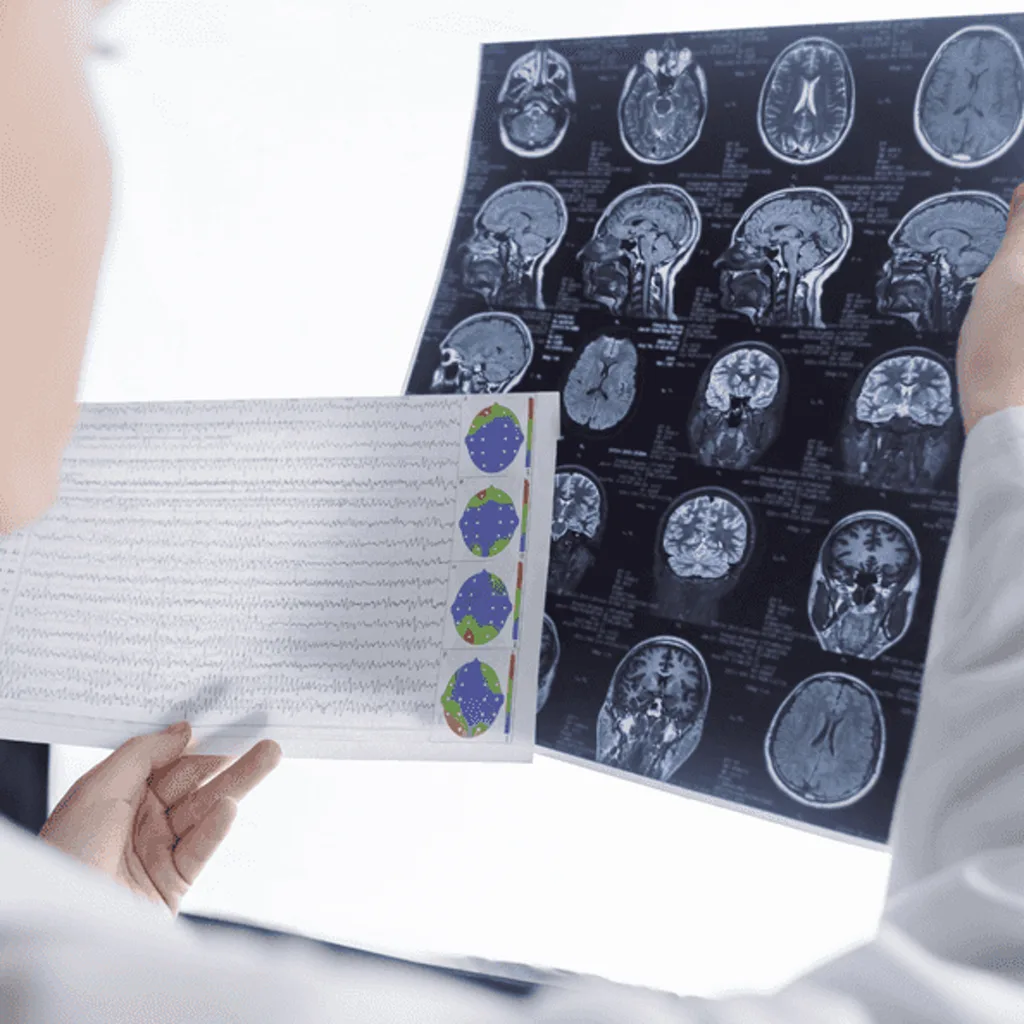
Common tests may include blood sugar, blood pressure monitoring, ECG, blood tests and brain imaging such as CT scan or MRI when advised. Imaging helps doctors understand whether symptoms are due to blocked blood flow, bleeding, swelling, seizure-related changes or another cause.
The treatment plan depends on the type of stroke, time since symptom onset, severity, age, other illnesses and imaging findings. Some patients may need ICU or neuro ICU monitoring. Some may need medicines, rehabilitation, speech therapy, physiotherapy or referral for advanced neuro-intervention depending on the case.
9. What Is a Mini-Stroke or TIA?
A TIA, or transient ischemic attack, is sometimes called a mini-stroke. It can cause stroke-like symptoms that improve within a short time. The person may look normal again, but the episode should not be ignored.
A TIA can be a warning that the blood supply to the brain was temporarily disturbed. A doctor may advise tests for BP, diabetes, cholesterol, heart rhythm, neck blood vessels and other risk factors. Early evaluation can reduce future risk.
10. How Does a Brain Hospital Help After Stroke Symptoms?
A brain hospital or neurology-supported emergency setup helps by bringing emergency doctors, neurologists, imaging, ICU support and rehabilitation planning into one care pathway. In a suspected stroke, speed and coordination matter.
The patient may need quick triage, urgent scan, control of BP or sugar, seizure management, swallowing assessment and monitoring for worsening symptoms. After the emergency phase, recovery planning is also important.
Many stroke patients need physiotherapy for weakness, speech therapy for speaking or swallowing problems, and long-term prevention planning. Prevention may include BP control, diabetes control, cholesterol management, smoking cessation, diet changes and medicines prescribed by the doctor.
11. Where Can Patients in Patna Seek Help?
Patients with sudden stroke symptoms should go to emergency care immediately. If you are looking for a brain hospital in Patna for neurological symptoms, choose a hospital where emergency assessment, diagnostic support, ICU care and neurology consultation are available.
Himalaya Hospital, Patna serves patients from Sipara, Mithapur, Mahavir Nagar, New Bypass and nearby Bihar areas. For active stroke symptoms, use emergency help first. For non-emergency neurology appointment support, add hospital phone number, OPD timing and doctor availability before publishing. If the hospital chooses to support misspelling searches such as best nuro hospital in patna, keep the visible patient-facing wording as best neuro hospital in Patna.
This local section should be reviewed by the hospital team before publishing so that emergency contact details, department availability and patient instructions are accurate.
Stroke Symptoms Need Emergency Action
For sudden face drooping, arm weakness or slurred speech, call emergency help and reach hospital fast.
12. FAQs
Need full neurologist-level details on headache, weakness, seizures and chronic neuro care? Read our neurology guide.
Review Notes: Add the reviewing doctor name, qualification, department and review date before publishing.