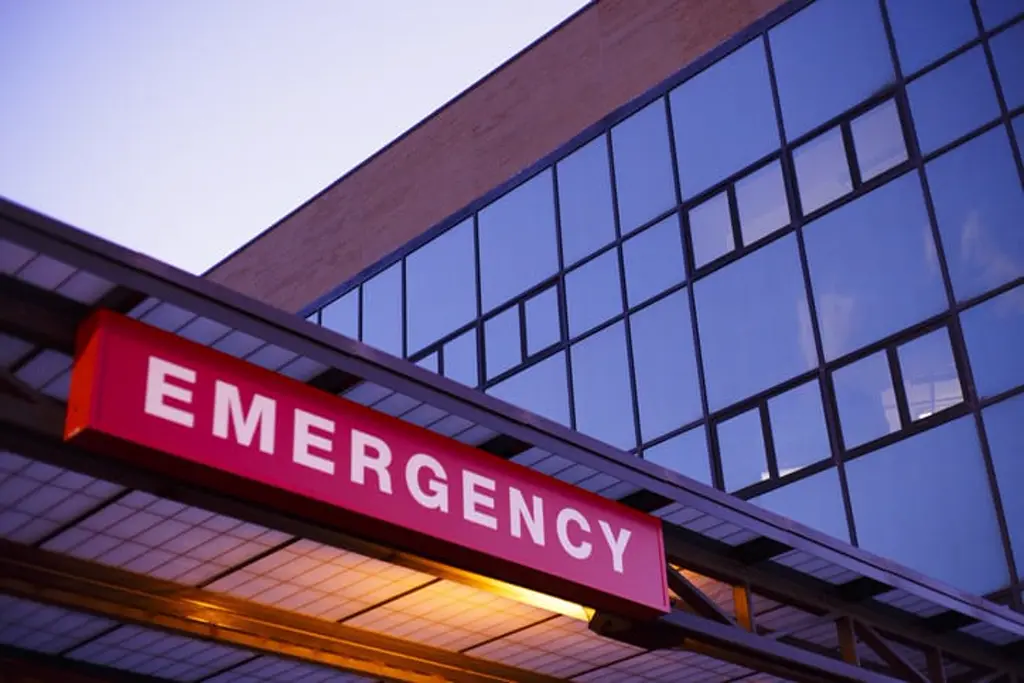
Emergency Hospital in Patna: When Should You Go Immediately?
When chest pain, stroke signs, road accident injury or dengue warning signs appear, the family's biggest question is usually: should we go to the hospital now? An Emergency Hospital in Patna can help assess serious symptoms quickly, start urgent care, and decide whether the patient needs observation, ICU support or specialist treatment.
This guide is for families in Patna, Sipara, Mithapur, Mahavir Nagar, New Bypass and nearby areas who need a clear emergency decision. It explains when chest pain, stroke signs, accident injury, dengue fever, breathing trouble or weakness should not wait for OPD.
This article is educational. It is not a diagnosis and cannot replace emergency medical evaluation. If the patient has severe symptoms, reach emergency care immediately.
Quick Overview: Which Section Should You Read First?
- Which symptoms need an emergency hospital immediately?
- When is chest pain an emergency?
- What stroke signs mean you should not wait?
- After an accident, when should you go to hospital?
- When does dengue fever become dangerous?
- When is ICU or critical care needed?
- What should family do before reaching the hospital?
- Why choose a 24x7 emergency hospital in Patna?
- Where can patients near Sipara and Mithapur get emergency care?
- What is the safest takeaway for families?
- FAQs
1. Which symptoms need an emergency hospital immediately?
Some symptoms should not be observed at home. If a patient has severe chest pain, sudden weakness, slurred speech, heavy bleeding, breathing difficulty, fainting, severe accident injury, seizure, high fever with drowsiness, or dengue warning signs, go to an Emergency Hospital in Patna immediately.
The safest rule is simple: if the symptom is sudden, severe, worsening, affects breathing, affects the brain, follows an accident, or makes the patient look very weak, treat it as an emergency. Do not wait for the next OPD appointment.
Families often lose time deciding whether the problem is serious. In emergency medicine, time matters because early evaluation can help doctors check vitals, start oxygen or fluids, do ECG, arrange imaging, control bleeding, and decide if ICU or specialist care is needed.
This article is a decision guide. It cannot diagnose the patient at home, but it can help families decide when hospital care should not be delayed.
| Symptom | Go now if | Why it matters |
|---|---|---|
| Chest pain | Pain is heavy, tight, spreading, with sweating, breathlessness or dizziness | Heart attack and other serious causes need quick testing |
| Stroke signs | Face drooping, arm weakness, slurred speech, sudden vision or balance change | Time-sensitive stroke treatment may be possible after urgent evaluation |
| Accident injury | Head injury, bleeding, deformity, severe pain, inability to walk or unconsciousness | Trauma may involve fracture, internal injury or brain/spine injury |
| Dengue fever | Belly pain, repeated vomiting, bleeding, extreme weakness or drowsiness | Severe dengue can become life-threatening |
| Breathing/fainting | Breathlessness, bluish lips, low oxygen, repeated fainting or confusion | May need oxygen, monitoring, ICU or critical care |
2. When is chest pain an emergency?
Chest pain should be taken seriously, especially when it is heavy, tight, crushing, spreading, or associated with sweating, shortness of breath, nausea, dizziness or fainting. A chest pain emergency hospital Patna search usually means the family is already worried. In that situation, do not wait to see if the pain settles.
CDC lists heart attack symptoms such as chest pain or discomfort, shortness of breath, pain in the jaw, neck, back, arm or shoulder, nausea, light-headedness and unusual tiredness. Symptoms can differ from person to person, and some patients do not have the classic severe chest pain.
Go to emergency now if chest pain lasts more than a few minutes, comes with breathlessness, cold sweat, vomiting, fainting, left arm or jaw pain, or happens in a patient with diabetes, high BP, heart disease, smoking history or older age.
At the hospital, doctors may check ECG, blood pressure, oxygen level, blood tests and heart risk. Chest pain can be due to acidity or muscle pain, but emergency evaluation is important because missing a heart attack can be dangerous.
3. What stroke signs mean you should not wait?
Stroke symptoms are time-sensitive. Sudden face drooping, arm weakness, slurred speech, confusion, vision change, balance loss, severe dizziness or one-sided numbness should be treated as emergency signs. If you are searching for stroke emergency hospital Patna, the patient should not be moved from clinic to clinic.
Use FAST: Face drooping, Arm weakness, Speech difficulty, Time to reach emergency care. Many stroke campaigns now also use BE-FAST, adding Balance and Eye symptoms. Even one sudden symptom can matter.
CDC explains that patients who reach the hospital within the early hours after ischemic stroke symptoms may be eligible for clot-busting treatment, depending on medical evaluation. That is why noting the exact time symptoms started is important.
Do not give food, water, sleeping tablets or home medicines to a drowsy or confused patient. Keep the patient safe and reach emergency care quickly. If symptoms improve, it may still be a mini-stroke or TIA and needs urgent evaluation.
4. After an accident, when should you go to hospital?
After a road accident, fall, bike skid or workplace injury, the patient may initially say they are fine because of shock or adrenaline. Pain, swelling, confusion or internal injury signs may become clearer later. An accident emergency hospital Patna search should not wait when the injury is high-impact.
Go to hospital immediately if there is head injury, loss of consciousness, vomiting, neck or back pain, breathing difficulty, chest or abdominal pain, severe bleeding, deep wound, fracture suspicion, deformity, inability to walk, or numbness in hands or legs.
Children, elderly people, pregnant women, diabetic patients and patients on blood thinners need extra caution after an accident. Even a fall from standing height can cause serious injury in elderly patients.
Emergency care can help with pain control, bleeding control, X-ray, CT scan decision, wound care, fracture support, observation and specialist referral. Do not massage, force movement, or give alcohol or sedatives after injury.
5. When does dengue fever become dangerous?
Dengue fever often starts with high fever, body pain, headache, eye pain, vomiting or weakness. Many patients recover with monitoring, fluids and medical advice, but dengue can become dangerous when warning signs appear. Families searching for dengue emergency hospital Patna should know these red flags clearly.
CDC lists warning signs of severe dengue such as belly pain or tenderness, vomiting at least three times in 24 hours, bleeding from nose or gums, vomiting blood, blood in stool, extreme tiredness or restlessness. CDC also says severe dengue is a medical emergency.
Mayo Clinic notes that warning signs of severe dengue can come quickly, often around the time fever begins to go away. Severe dengue can lead to shock, internal bleeding, organ failure and can be life-threatening.
Go to emergency if dengue patient has severe abdominal pain, persistent vomiting, bleeding, black stool, drowsiness, restlessness, cold hands and feet, breathing difficulty, very low urine, fainting, or sudden worsening after fever reduces. Do not self-medicate with painkillers without doctor advice.
6. When is ICU or critical care needed?
ICU is for patients who need close monitoring, life support, oxygen or ventilator support, blood pressure support, repeated assessment, or treatment for a life-threatening condition. Searching for an ICU hospital in Patna usually means the patient is already serious or unstable.
Critical care may be needed for severe breathing difficulty, shock, heart attack complications, stroke with reduced consciousness, severe dengue, sepsis, poisoning, major accident injury, uncontrolled seizures, kidney failure, or serious infection.
A critical care hospital in Patna should support rapid assessment, monitoring, oxygen, emergency medicines, lab testing, imaging coordination, specialist consultation and ICU admission when needed. ICU is not only a room; it is a system of monitoring and response.
Families should ask practical questions: Is the patient stable? Is oxygen needed? Is BP falling? Is consciousness reduced? Is urine output low? Does the doctor advise ICU observation? These answers matter more than waiting at home.
7. What should family do before reaching the hospital?
In an emergency, keep actions simple. Call the hospital or emergency transport if available. Keep the patient in a safe position. Do not crowd around the patient. Do not delay for food, home remedies, documents or second opinions when symptoms are severe.
Carry any previous prescriptions, current medicines, allergy history, test reports, hospital discharge papers and ID if easy to collect. For stroke, note the exact time symptoms started. For chest pain, note when pain began and whether there is sweating, breathlessness or vomiting.
For accident injury, do not move the neck or spine unnecessarily if there is neck/back pain or unconsciousness. For dengue, avoid aspirin or ibuprofen unless a doctor has advised; many dengue patients need careful medicine selection.
The best help family can give is fast transport, clear history and avoiding harmful home treatment.
8. Why choose a 24x7 emergency hospital in Patna?
Emergencies do not follow OPD timing. A 24x7 emergency hospital in Patna is important because chest pain, stroke, accident injury, dengue warning signs, seizures and breathing problems can happen at night, early morning or during holidays.
A useful emergency hospital should provide quick triage, vitals check, oxygen support, ECG, lab coordination, imaging coordination, emergency medicines, observation, ICU decision and specialist referral when needed.
Many pages say 24x7 emergency, but families need to know what that means in real life: quick first assessment, ability to stabilize the patient, and a clear next step. In serious cases, delays between registration, evaluation and treatment can matter.
Before publishing, add Himalaya Hospital's current emergency number, ambulance support details if available, ICU availability, and emergency department location so the article becomes more actionable.
9. Where can patients near Sipara and Mithapur get emergency care?
Patients around Sipara, Mithapur, Mahavir Nagar, New Bypass and nearby areas often search for an emergency hospital in Sipara Patna or emergency care near Mithapur Patna when every minute feels important.
A nearby hospital is useful when symptoms are sudden and serious. Travel time matters for chest pain, stroke signs, accident injuries, severe breathing problems and dengue warning signs. The first priority is reaching a hospital that can assess and stabilize quickly.
Himalaya Hospital supports emergency and critical care needs for patients from Patna and nearby localities. Add exact contact number, route guidance, emergency entry point and current service details before publishing so families know how to reach quickly.
10. What is the safest takeaway for families?
If you are unsure whether a symptom is serious, look for red flags: sudden onset, severe pain, weakness, breathing difficulty, fainting, bleeding, confusion, accident injury, worsening fever, drowsiness or signs of shock. These need hospital evaluation.
Do not wait at home for chest pain with sweating, stroke signs, major accident injury or dengue warning signs. Emergency doctors can decide whether the patient needs observation, tests, medicine, ICU, critical care or specialist treatment.
The best emergency decision is often the fastest safe decision: reach a hospital, share clear history, and let the medical team assess the patient.
Need Emergency Care?
For severe symptoms, reach emergency care immediately.